
FERQO SOLUTIONS
Smart Temperature & Cold-Chain Monitoring
Ferqo's cold chain monitoring system tracks every refrigeration and freezer point around the clock, alerting the moment a reading moves out of range and keeping temperature records automatically — replacing manual logging for restaurant chains and cold chain operators.
OVERVIEW
Centralized temperature management from one location to every site
Ferqo connects temperature monitoring points across a site through its software platform, creating an always-on management model for restaurant chains and cold-chain operations. From a single location to multi-site operations, temperature status, alerts, and historical records are centralized in one portal. Temperature data can also be integrated into existing warehouse or logistics management systems through APIs.
COMMON CHALLENGES
Operational gaps that become costly at scale
When information is scattered across paper logs, individual sites, and manual workflows, operational issues can develop before managers see them.

Failures happen when no one is on site
Refrigeration failures often happen overnight or on weekends. By the time staff return, it may already be too late to protect the stored products.

Paper logs leave more gaps than expected
Manual temperature logs are easily missed or completed later, making record quality dependent on how busy on-site staff are that day.

More sites make the full picture harder to see
When each location keeps its own records, headquarters must contact stores one by one to understand temperature conditions.

Historical records are hardest to find when needed
Temperature records must be retained over time, and the cost of searching accumulated paper logs becomes clear when historical data is needed.
ONE VIEW, EVERY SITE
Every site and status in one dashboard
Headquarters can review the live status and historical trends of refrigeration equipment across every site from one portal, without contacting each location or waiting for manual reports.
Interface shown for functional reference. Fields and permissions are configured by project.
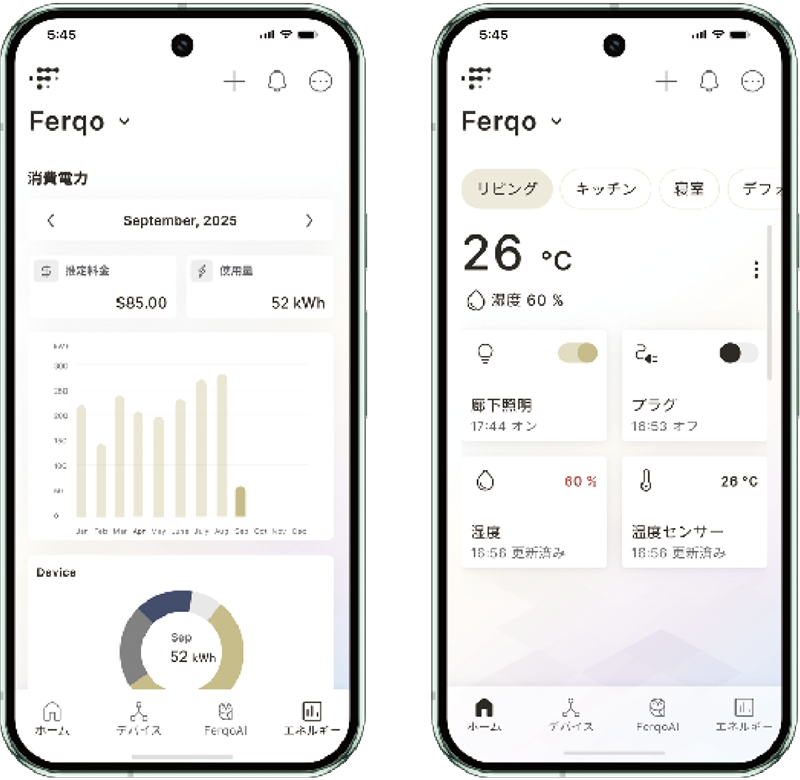
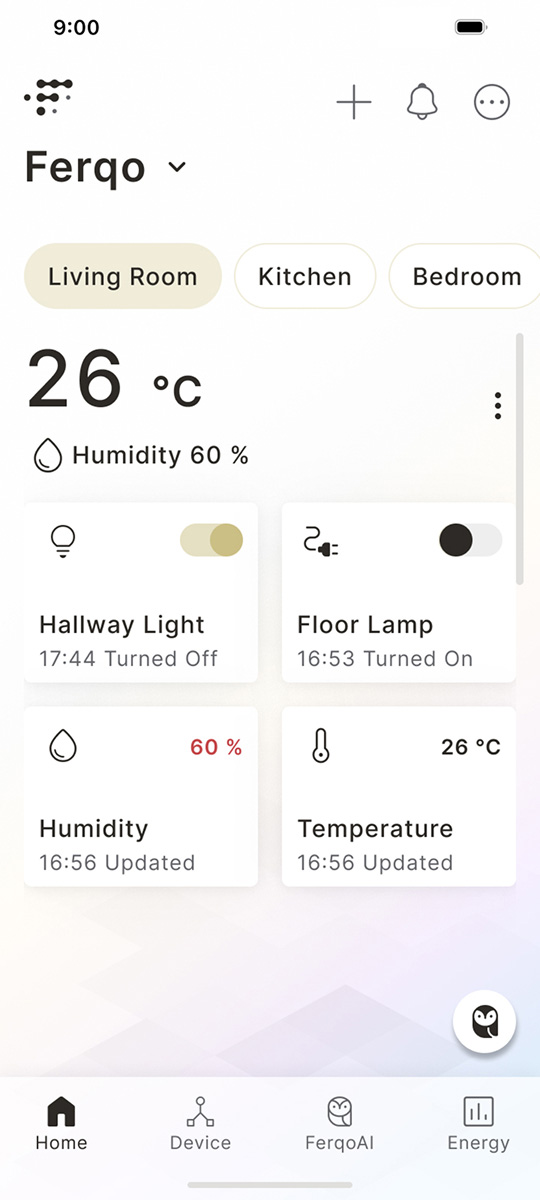
MOBILE & DESKTOP
Proactive alerts for both on-site teams and managers
When a temperature moves outside its configured range, the system immediately notifies relevant staff. Status is available on mobile and in the portal, helping teams respond before stored products are affected.
ALERT
Real-time alerts
Send proactive notifications based on configured monitoring ranges.
HISTORY
Historical trends
Review temperature changes for an individual point or across multiple sites.
CAPABILITIES
Reduce manual gaps from real-time alerts to long-term records
Bring monitoring, alerts, and records into a sustainable management workflow centered on the software platform.
MONITORING
Real-time monitoring and proactive alerts
Notify on-site staff and managers as soon as a temperature moves outside its configured range, without relying on manual inspections.
MULTI-SITE
Multi-site status in one portal
Review live status and historical trends across every site from one portal.
REPORTING
Automatic records and on-demand reports
Organize records by day, month, or year to support food-safety documentation workflows.
HARDWARE-AGNOSTIC
Hardware-agnostic deployment planned around the site
Plan sensing equipment around existing site conditions and infrastructure without replacing equipment solely for deployment.
FLEXIBLE ARCHITECTURE
Software-centered architecture with integration flexibility
Monitoring data can be centralized in the Ferqo platform or connected to existing warehouse, logistics, and management systems through APIs. Sites are not locked into a single hardware vendor or management portal.

APPLICABLE DOMAINS
Environments where Ferqo is deployed
Applicable environments include restaurant chains, central kitchens, cold-chain operations, and fresh-food retail sites that require continuous refrigeration temperature monitoring.
Frequently Asked Questions
What is a cold chain monitoring system?
A cold chain monitoring system uses sensors to continuously measure the temperature of refrigeration and freezer equipment, uploading that data to a cloud platform for centralized management. When a reading moves outside its set range, the system sends an instant alert and preserves a complete record automatically. It replaces manual logging and helps food service and cold chain operators ensure food safety and meet audit requirements.
What temperature should freezers and refrigerators be kept at?
Requirements vary by market. Codex guidance and most industry standards hold frozen food at -18°C or below, while chilled food is typically held below 7-10°C depending on local rules. In Taiwan, the Regulations on Good Hygiene Practice for Food require frozen food to be kept below -18°C and chilled food below 7°C and above its freezing point, with a temperature indicator installed and readings recorded. Always confirm the standard that applies in your market.
Do we need to replace our existing refrigeration equipment?
No. Ferqo uses a software-centered architecture that is not tied to any specific hardware brand. Sensors are deployed to suit the conditions of each site and work alongside your existing refrigeration equipment. Integration with your current systems is also available through our open API.
How are we notified when a temperature goes out of range?
The moment any monitoring point moves outside its set range, the system sends an alert to both the on-site mobile app and the management dashboard. Site staff and headquarters see the problem at the same time, which matters most for equipment failures overnight and outside business hours, when there is otherwise no one to notice.
Can the records be used for HACCP or health inspections?
Yes. The system automatically retains the full temperature history for every monitoring point. Records can be searched by date and site and exported as reports, removing the gaps and retrospective entries that come with paper logs. During an inspection you can provide complete, traceable temperature documentation directly.
DISCUSS YOUR PROJECT
Plan the right deployment for your site
Every site has different equipment conditions and monitoring requirements. Share your site information, and our team will follow up with an initial deployment recommendation.